Information
Leonid Dubakov. V promezhutke // Znamia 9 (2025)
Leonid Dubakov. V promezhutke // Znamia 9 (2025)
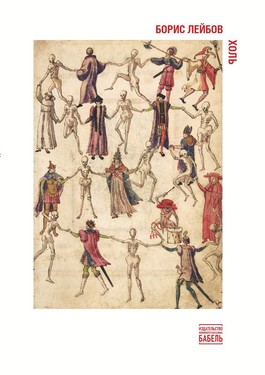
"Лучшая новелла книги — «Холь». Она же — самая безжалостная по отношению к людям. Воскрешение мертвых — проблема, беда, причина раздражения, неприятия, мертвоцида. Но герои этой части убивают по-другому и с другой целью. Лейбов раздает карты по-набоковски: король, дама, валет — Леонид, Элла, Роман — встречаются в купе поезда, едущего в большой город. В млеющем сонном полдне повисает желание и предчувствие кошмара. Внутренняя конструкция купе становится любовным треугольником, для Романа начинается обыкновенный роман. Однако писатель играет партию по-своему. Элла очаровательно и убийственно жестока, но жертвой будет другой. Сексуальные девиации совокупятся с девиациями художественными. Художник и коллекционерка заглядывают за границу смерти и покупают чужую боль — огневую хриплую холь. «Холь! Холь! Холь!» — как «Бобок, бобок, бобок!» в мире сладострастных насекомых с жалами, сосущими напитки чужой жизни.
Роман умер. Но воскрес. Из-за четвертой стены вышел автор, полный безразличием, посмотрел на сумасшедшую Эллу и проводил Романа гелевой ручкой до лучшей жизни, которая, впрочем, лучшей не станет.
Смерть отменена, но вместе с ней отменилась и жизнь. Мир обесцветился, и нет больше надежды, например, на то, что «смерть однажды разлучит жильца с каменным скворечником». Птицы, созданные из бурой глины, привыкли знать день и ночь, но вечный полдень лишает их полет смысла. Вернувшиеся похожи на животных в своих реакциях, они просто печальны или просто счастливы, а живые, соприкасаясь с ними, словно травятся трупными ядами, утрачивая веру, надежду и любовь.
«Холь» — книга философская. Автор размышляет о том, зачем смерть и как будет без смерти в мире, где она дает облегчающее забвение. Воскреснув, мертвые оказались чужими — другими или врагами. Они — метафора и новая реальность. Они побывали «там», но Бог для них — фигура умолчания.
«Холь» страшна не антиутопическим замахом, а утратой смысла для человечества. Мертвые воскрешены, как мечталось Фёдорову, но смысл воскрешения не проявлен, не предложен. Мещанский быт не стал духоподъемным бытием. И поэтому книга Лейбова — настоящий экзистенциальный хоррор, порождающий глухую тоску мертвой тишины".
"The book’s best novella is Khol. It is also the most merciless towards people. The resurrection of the dead is a problem, a calamity, a source of annoyance, revulsion, necrocide. But the characters in this part kill differently and for a different purpose. Leibov, in Nabokov’s manner, deals out the cards: king, queen, knave — Leonid, Ella, Roman — meet in a compartment of a train bound for a big city. In a languid and drowsy noon, desire and the sense of impending nightmare hang in the air. The inner design of the compartment becomes a love triangle; for Roman, an ordinary romance begins. However, the writer plays the hand his own way. Ella is charmingly and murderously cruel, but someone else will be the victim. Sexual deviations copulate with artistic deviations. The artist and the collector peer beyond the limit of death and buy another’s pain — fiery, hoarse khol. “Khol! Khol! Khol!” — like “Bobok, bobok, bobok!” in a world of voluptuous insects with stingers that suck the draughts of another's life.
Roman died. But he was resurrected. The author stepped out from behind the fourth wall, completely indifferent; he glanced at the mad Ella and, with his gel pen, saw Roman off to a better life, which, however, would be no better.
Death has been abolished, but life has been abolished along with it. The world has lost its color; there is no more hope that, for instance, “death will one day part the tenant from his stone birdhouse”. Birds, made of dark clay, have always known day and night, but eternal noon makes their flight meaningless. The returned are like animals in their reactions: they are simply sad or simply happy. The living, on coming into contact with them, seem to be poisoned by decomposition products, losing faith, hope, and love.
Khol is a philosophical book. The author reflects on what death is for and what life without it would be like in a world where death brings relieving oblivion. After their resurrection, the dead turned out to be alien — the others or the enemies. They are both a metaphor and a new reality. They have been “there”, but for them, God is a figure of silence.
Khol is frightening not because of its dystopian ambition, but because of humanity's loss of meaning. The dead have been resurrected, as Nikolai Fedorov dreamed, but the meaning of resurrection is not revealed; it is not offered. Petty-bourgeois everyday life did not turn into a spiritually uplifting existence. And that is why Leibov's book is a true existential horror, breeding the dull anguish of dead silence."